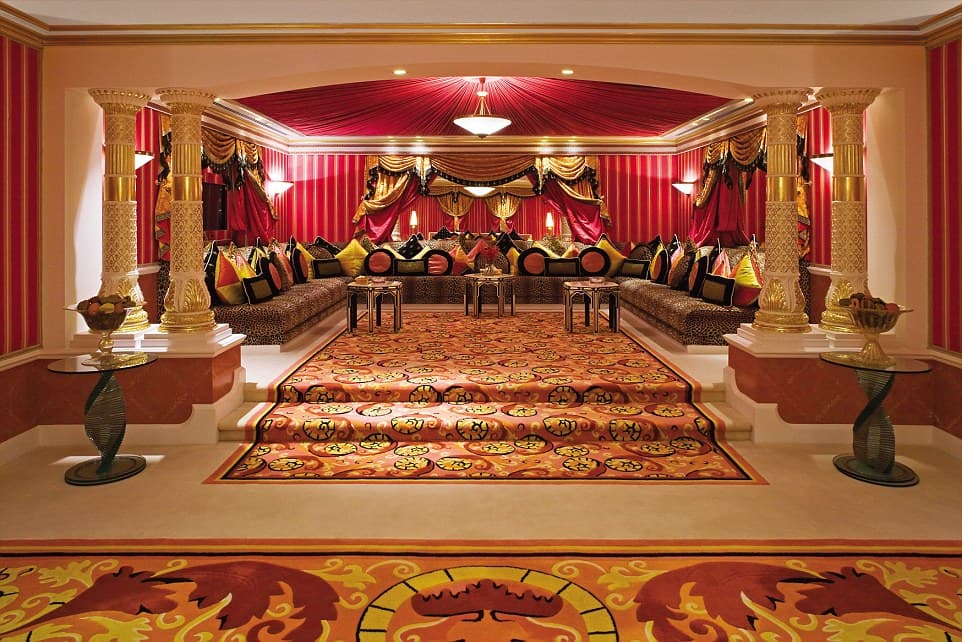
الطراز العربي الحديث
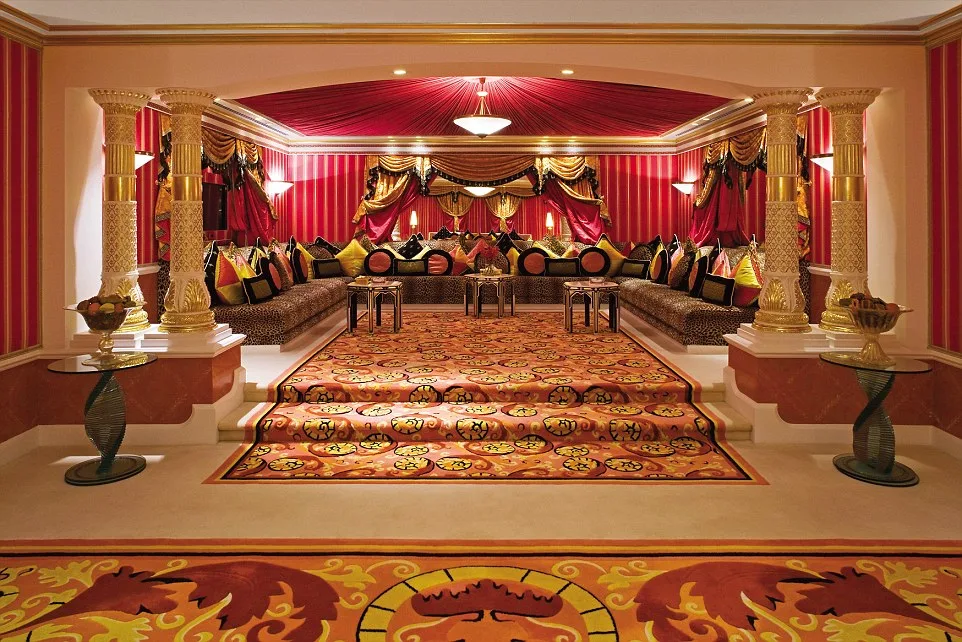
ان الطراز العربي في التصميم الداخلي يتكون من الغموض و الخيال و الفخامة و ذلك ما يميزه .
يتم تنفيذ هذه الامور من خلال الاثاث المستعمل و كذلك الجدران و السجاد و الاضاءة او الفوانيس و كل هذا يتم على اساس مهم و هو الالوان و كيفية اختيارها .
التأثيرات
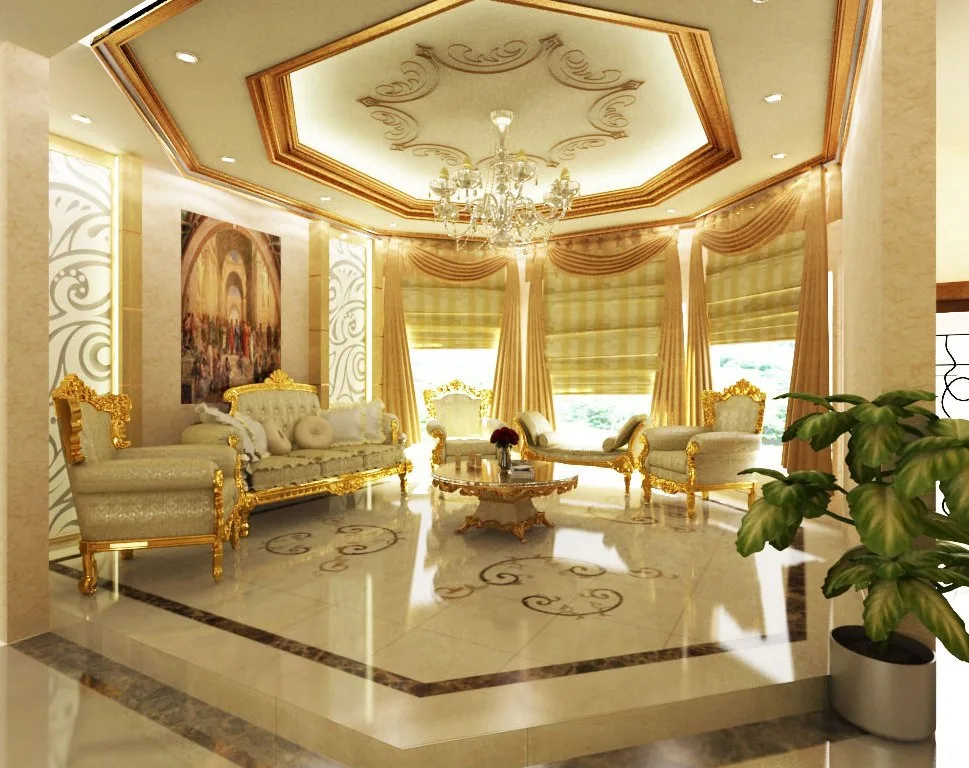
تطور التصميم الداخلي العربي عبر عدة قرون , لقد تم مزج الطراز الاسلامي القديم مع الافكار في منطقة البحر الابيض المتوسط و ايضا تم المزج مع الطرز الغربية مثل التاثيرات اليونانية و الايطالية و الاسبانية لاعطاء مزيج فخم و حديث .
ان الجرئة في اختيار الالوان هو ما يبرز هذا الطراز اكثر , و اكثر الالوان استخداما هو الترابي مع الخطوط الذهبية .
ان تصميم الاثاث بالحفر هو ما يعطي الفخامة و ايضا الاضاءة مهمة للغاية في المكان لابراز الشكل .
و ايضا للسجاد المستعمل دور مهم جدا في هذا الطراز خاصة اذا كان منسوجا باليد .
الالوان
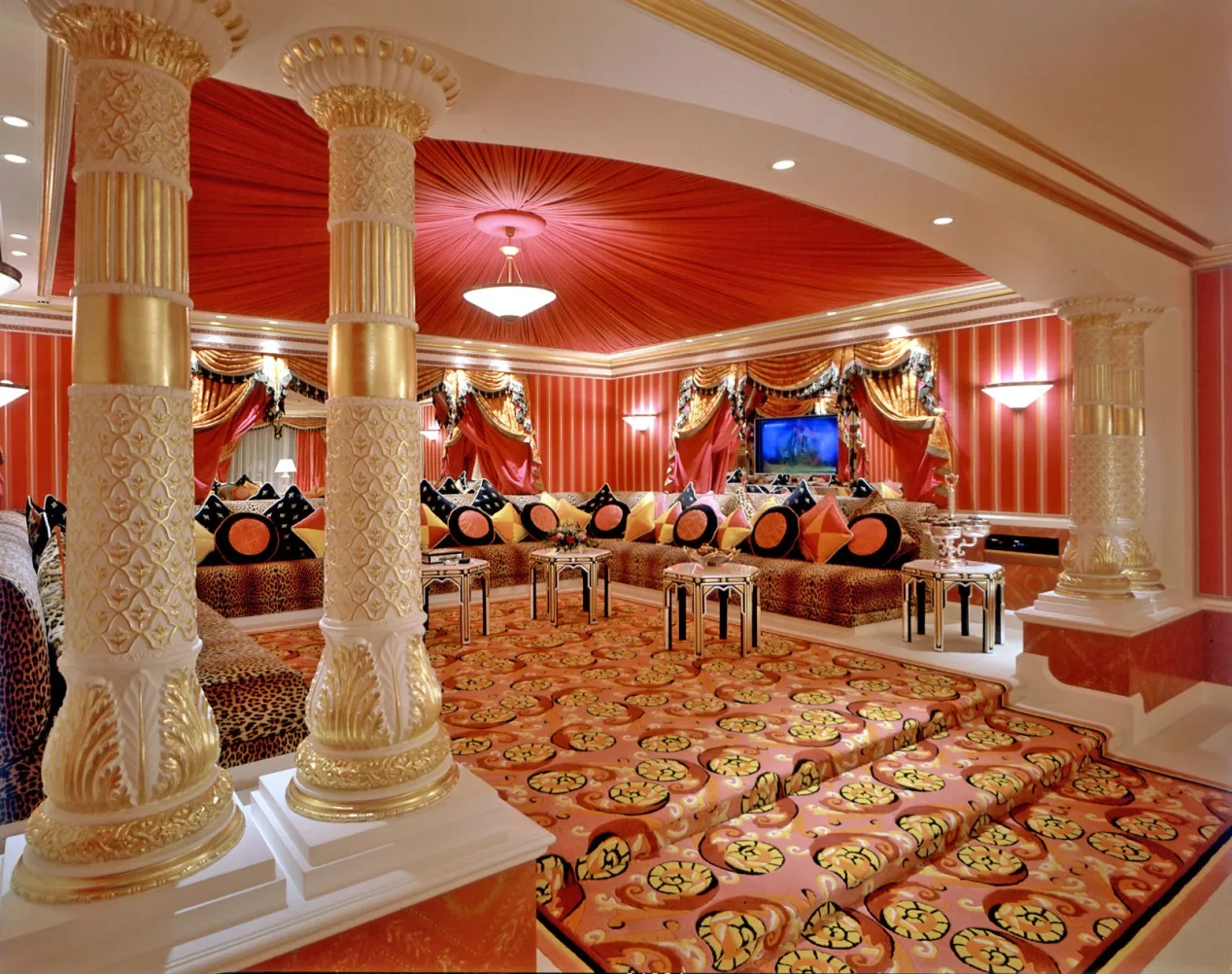
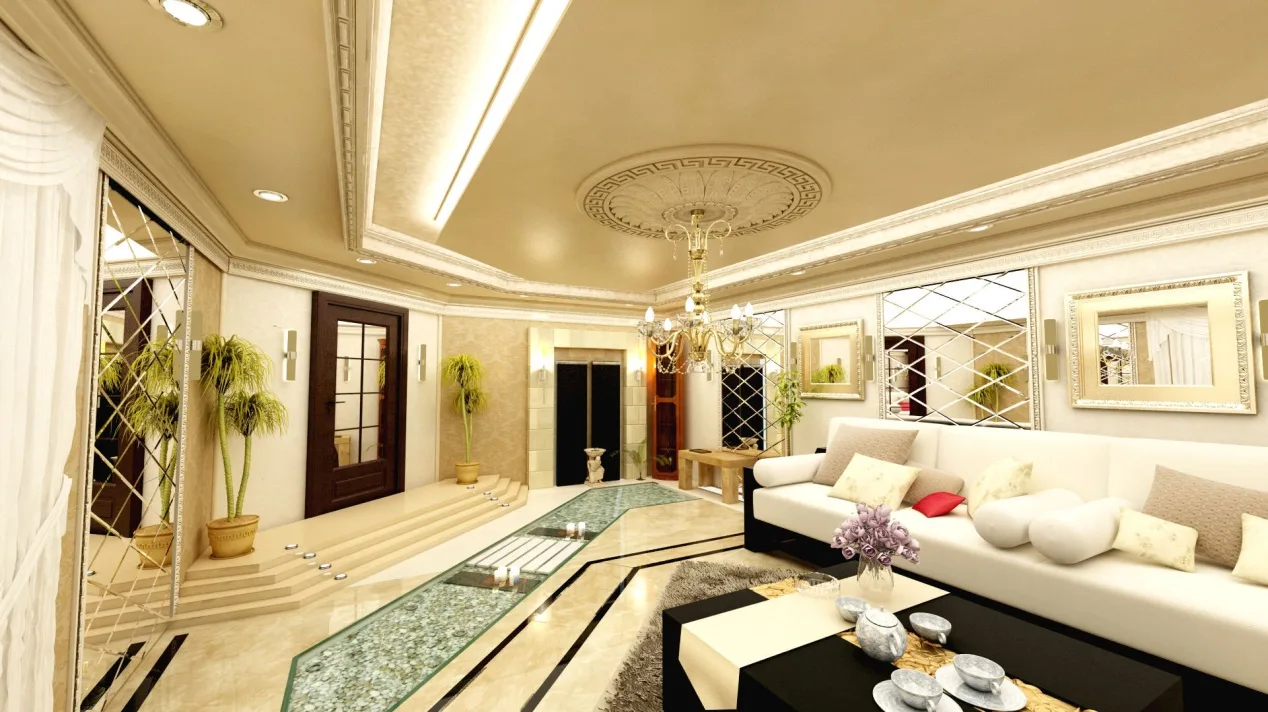
يتم استعمال الالوان المحايدة الدافئة في هذا الطراز , مثل البرتقالي المحروق او الاحمر الغامق .
و يجب ايضا تنفيذ الالوان على الجدران و السجاد و المفروشات و الوسائد , يمكننا ايضا اضافة بعض الالوان الدافئة مثل الاصفر الغامق او القرمزي او البني الغامق و غيرها .
الجدران
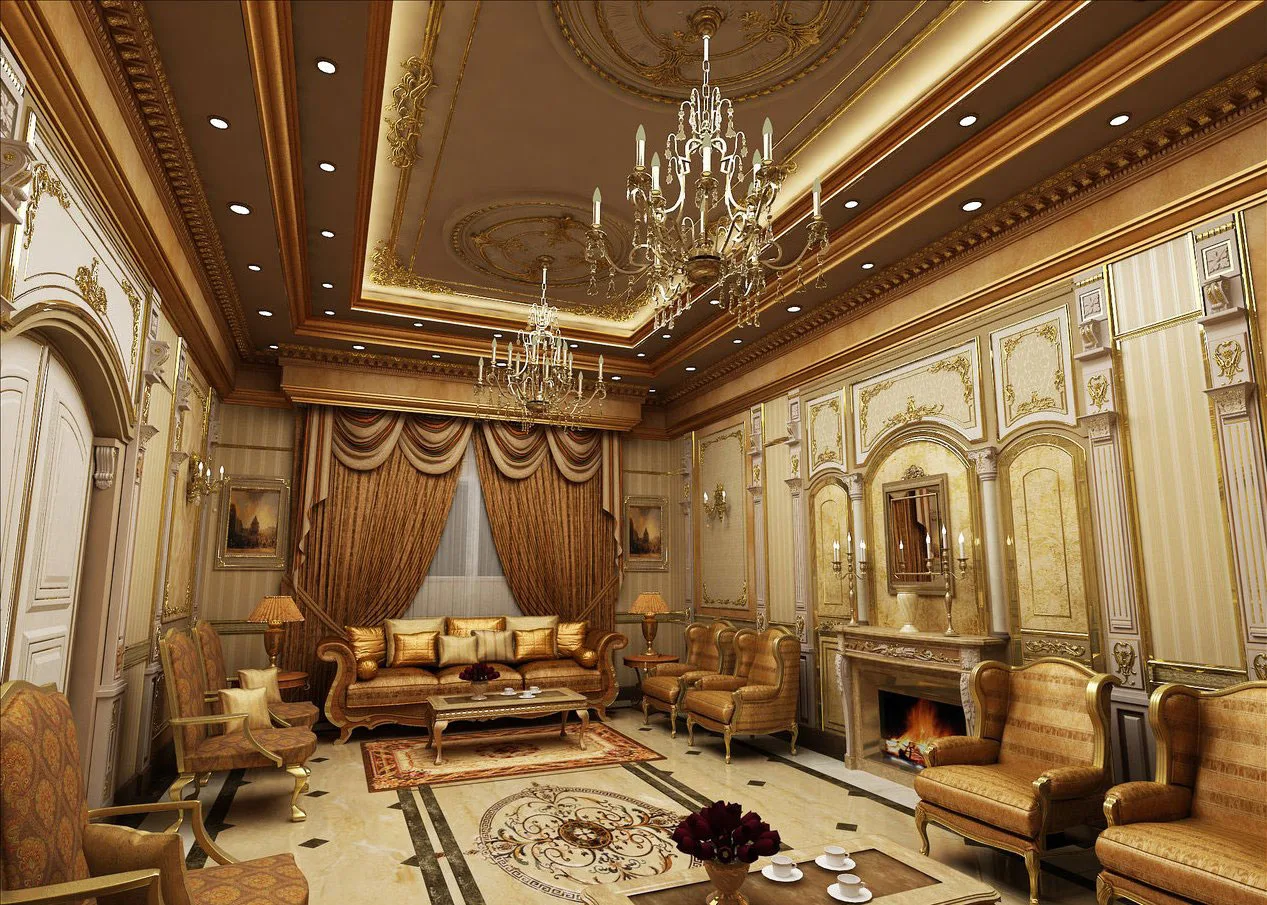
يمكننا اضافة ورق الجدران المزخرف , فان ما يتميز به هذا الطراز هو الزخرفة العربية و الاقواس . و لكن يجب الحفاظ على لون الجدران بلون هادء و ذلك بسبب مساحة الغرفة و لابقاء مساحتها اكبر .
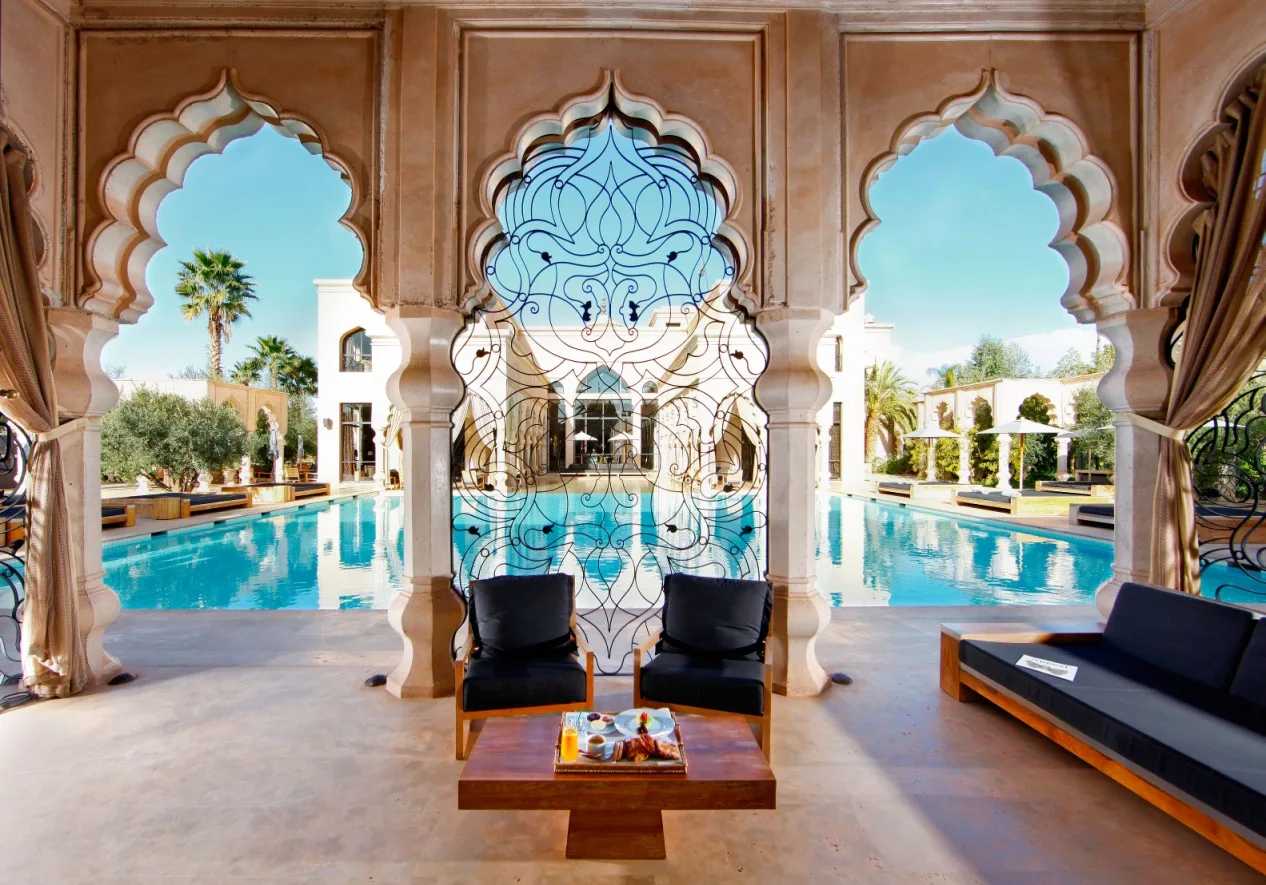
المنسوجات
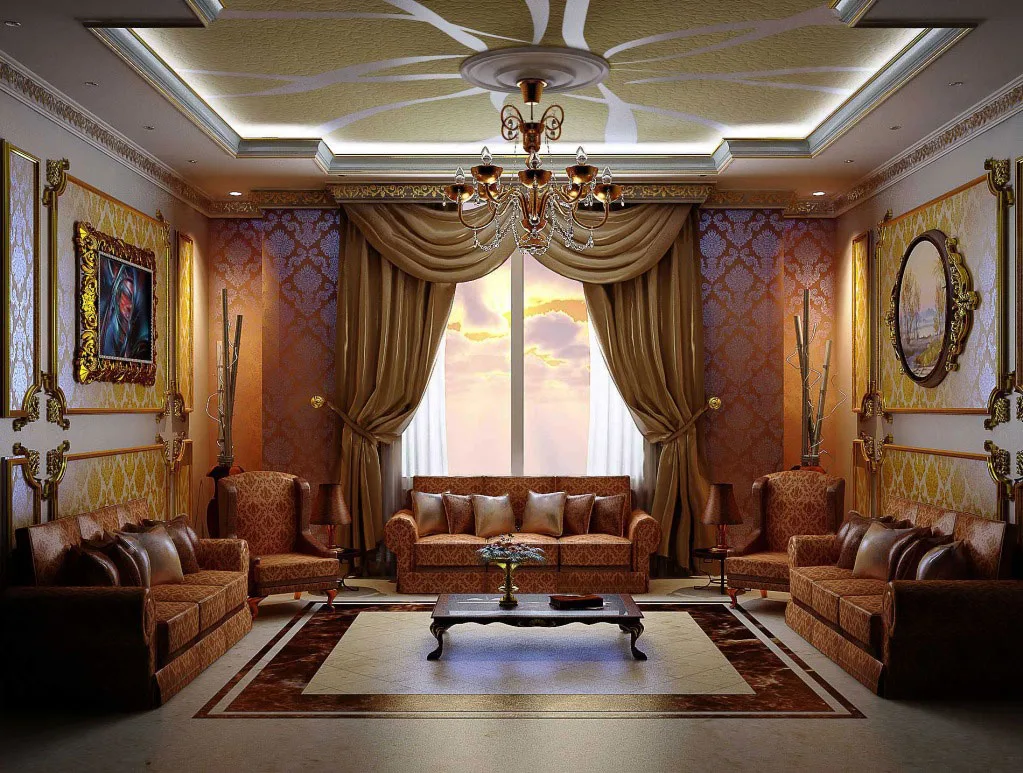
يجب استخام النسيج الفاخر في هذا الطراز , و ذلك باضافة الاقمشة الثقيلة و السجاد الفارسي الفاخر و المنسوجات اليدوية .
اما بالنسبة للستائر فانه يمكننا استعمال الحرير او الستان او المخمل لاضافة لمعة جميلة في المكان .
يمكننا اضافة ورق الجدران المزخرف خلف الستائر لاعطاء حيوية اكثر في المكان .
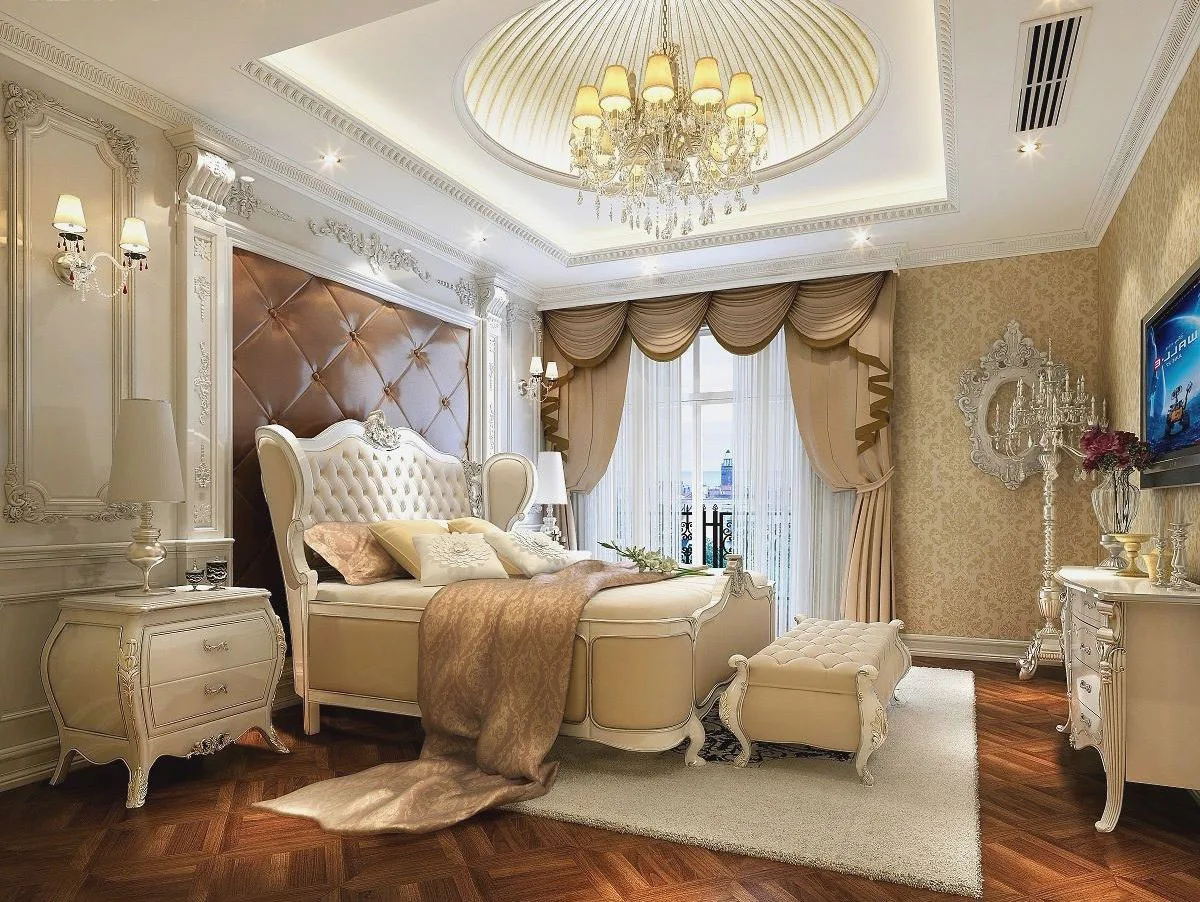
الاثاث
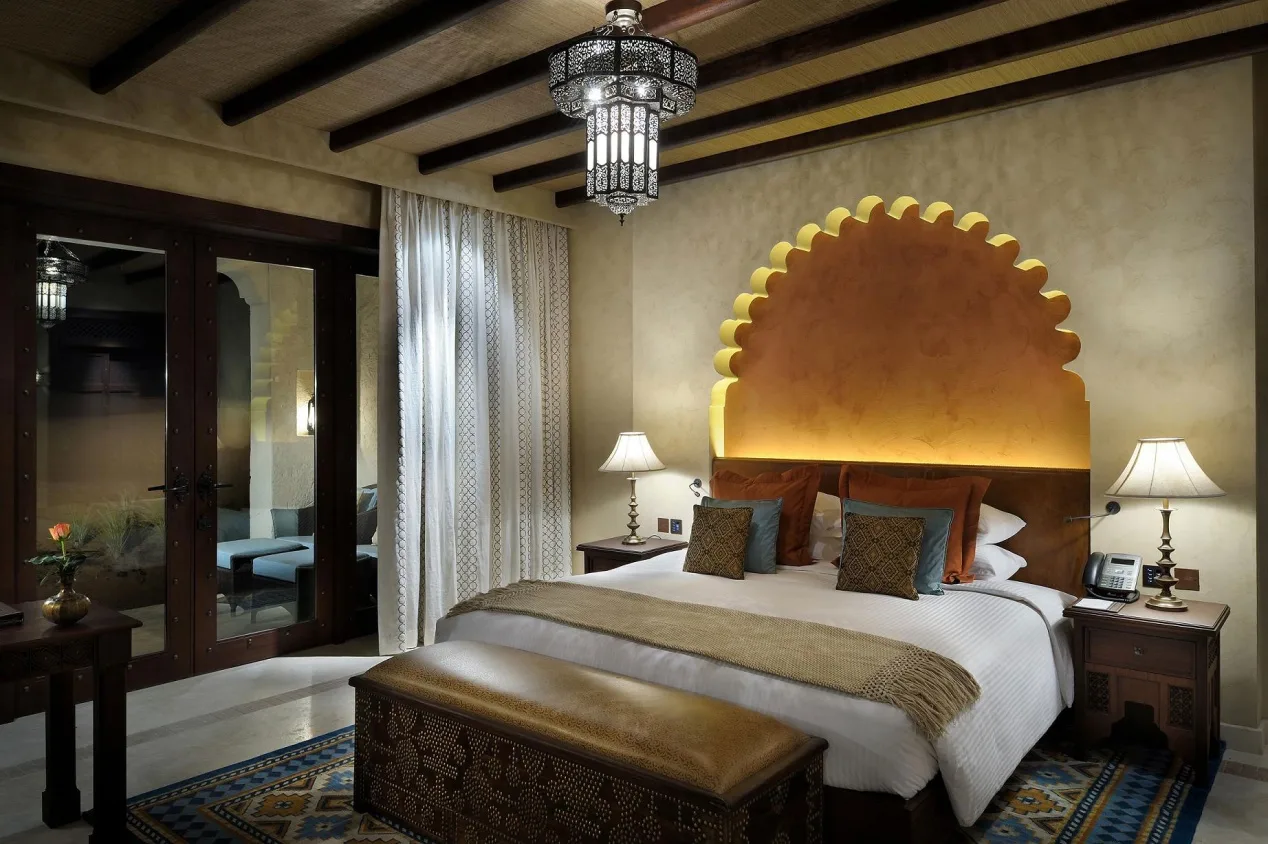
لقد كان معروفا بالسابق ان الطراز العربي يتميز بالمقاعد و الاسرة المنخفضة او الجلوس على وسائد ارضية .
و تم تقديم الطعام على صواني من النحاس , و تم الاحتفاظ ببعض هذه الاسس منذ القدم .
و ايضا استعمال منحوتات من الخشب على بشكل متقن مع انماط تجريدية من الاشكال الهندسية .
و تم استعمال الاخشاب الثمينة الطبيعية مثل خشب الليمون او الجوز او خشب الورد , و يمكن التطعيم باللؤلؤ , و ايضا تم نحت الابواب المستعملة في المنزل و زخرفتها .
اللمسات
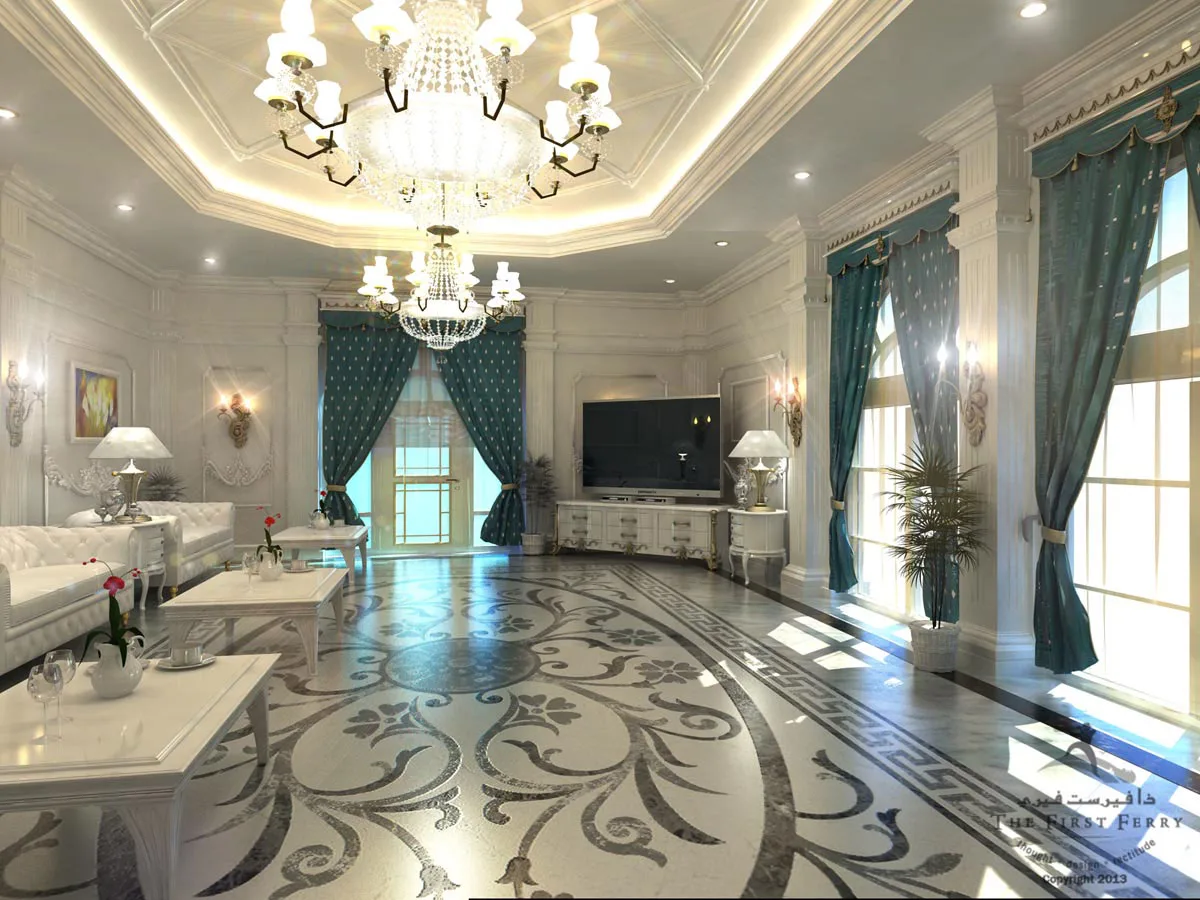
عندما يتعلق الامر بتزيين المكان فأن اول المواد المستخدمة هي المعادن .
في الطراز العربي يمكننا اضافة القطع مذهبة لاضافة لمسات جميلة للمكان او الملحقات الشعبية مثل الخزف او الاواني التركية او التحف المطعمة بالزجاج و ايضا ضروري اضافة بعض الاحجار الكريمة او اللؤلؤ الى المكان , بالاضافة الى وجود بعض المرايا .
الاضاءة
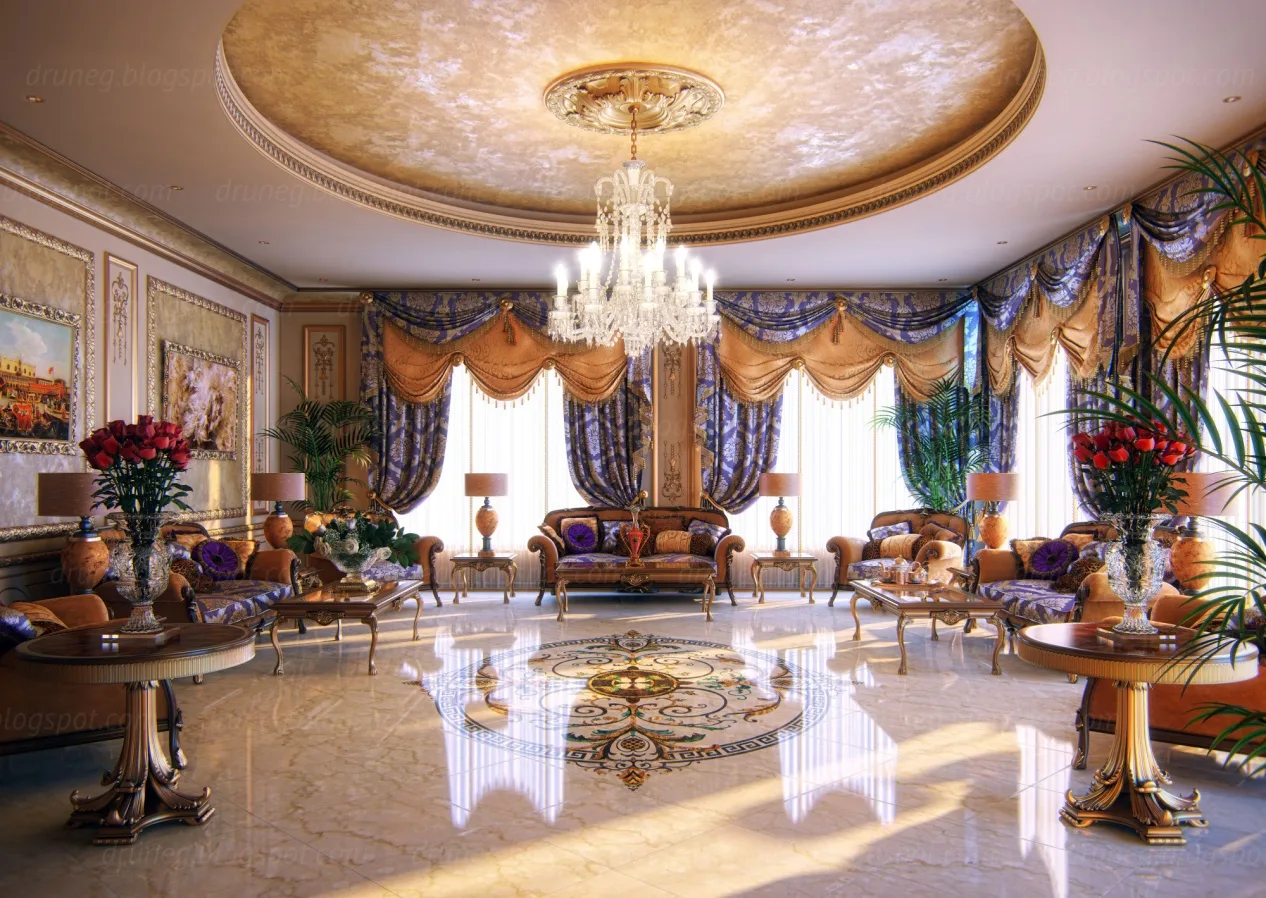
ان النقطة المحورية في المكان العربي هي الثريا المعلقة , ينبغي اختيارها بجرئة فيجب ان تكون كبيرة و ملفتة .
بالاضافة الى الفوانيس المعدنية المعلقة او التي توضع على الارض فهي تعطي سحرا خاصا للمكان .
و تتميز هذه الفوانيس بانها ترمي ظلها على الارض , و ايضا يمكن استخدام بعض الشموع او المصابيح الكهربائية المنخفضة و وضعها بين الفوانيس فهي تعطي بعض الدراما للمكان بشكل رومنسي جميل .
http://www.impressiveinteriordesign.com/arabic-interior-design-decor-ideas-photos/
Creating an atmosphere of mystique, fantasy and no-holds-barred luxury is what Arabic interior design does best.
Few design styles can match Arabic dccor’s capacity to transform a bland space into an opulent retreat, using layers of colour and texture to craft a magical effect.
It allows you to let your inner designer loose, using any and every luxurious element you want to add in a room.
If you want to wrap yourself in luxury, you can’t go wrong with Arabic interior design. Whether you pick this design theme for one room in your home or an entire floor, it is easy to create a complete and cohesive Arabic-inspired feel these days thanks to a large number of online stores offering everything you need.
Arabic-style textiles, furniture, wallpaper, rugs and lanterns are very easy to come by. Once you have decided on the colour scheme, building that magical Arabic retreat in your home should be a breeze.
Influences
Arabic interior design has evolved over centuries, blending influences from Islamic décor and architecture with ideas from the surrounding Mediterranean region. There are clear signs of Greek, Italian, Spanish and French influences in the style, all churned together into an opulent and exotic mix.
Moroccan and Turkish décor are perhaps the best-known specimen of Arabic interior design, romanticised and made famous by films and television. But there are variations that range from rustic and plain Bedouin-style décor to lavish, layered design that conjure up images of “Arabian Nights” legends. Modern Arabic interior design is, in fact, fairly minimalist. But it hasn’t caught on as much. When one thinks of Arabic interior design, one still pictures the extravagantly grand version.
Bold use of colour is what stands out most when it comes to Arabian-influenced decorating. The tones are generally earthy, with liberal use of rich reds, golds, ochres and oranges. The walls, floors, furnishings and art – everything contributes deep colour to a space.
Furniture is generally elaborately carved and the lighting fixtures highly embellished. Metallic elements are essential, with gold dominating the theme. And textiles of a myriad patterns and textures are generously employed to imbue the room with sumptuous style.
Guiding principles
There’s no need to hold back when you’re executing Arabic design ideas. They allow one to indulge the most fanciful visions of décor using luxurious chandeliers, mesmerising lanterns, ornate tapestries, rich rugs, plush window treatments, extravagant furniture, layers of textured fabrics and a generous use of gold accents. But there are a few guidelines to keep in mind:
Colour
Think warm and luxurious. Mix and match hues on the warm side of the colour wheel. Warm neutrals and concentrated colours are used liberally. An accent wall in a burnt orange or a deep Moroccan red really livens up the space. To add interest, a wall or two are often textured. This look can be achieved by either using textured paint or wallpaper.
And colour isn’t just limited to the walls. Bright rugs, upholstery, pillows, cushions and drapes – all inject colourful energy into the space. Plush plum, deep chocolate, glittering gold, cheery coral, rich rust, aubergine, cinnamon, navy, olive, wheat, crimson, curry and any other opulent colour one can think of can be used without a second thought.
Walls
These surfaces really dictate the tone of the entire room done up in Arabic design. Colour remains the easiest way to highlight a wall. Moroccan patterned wallpaper is now easily available in most corners of the globe. Arabic wallpaper can do wonders, adding depth and turning that part of the room into a focal point. Paint and wallpaper, however, aren’t the only wall embellishments in Arabic design. Arabeseque shelving units set against a wall also create interest while adding useful storage.
Textiles
This is the element that steals the show in Arabic décor. Using layers of luxurious weaves, textures, colours and patterns is essential. This is done with the use of heavy drapery, tapestries, plush Persian rugs, rich upholstery, floor cushions, pillows, bolsters, throws and hallway runners.
Sheen and richness are the secret to pulling off an opulent effect. They are introduced with the use of gleaming silks, satins, velvets and cashmeres. Woven wool rugs ground the space. Fringes and tassels on pillows and curtain tiebacks add another layer of interest. Window treatments with cascades, swags, jabots, scarf valances and patterned pelmets make every corner of the room come alive.
Furniture
Unlike the Western world, furniture for seating wasn’t really an element in Arabic décor until a few decades ago. Seating was usually on floor cushions, low benches or platforms. Food and drink was generally served on brass or copper trays with foldout supports. But higher-profile furniture for seating has since been introduced.
It is generally wooden and elaborately carved with abstract or geometric patterns. Some of the more extravagant furniture pieces have patterns inlaid with walnut, rosewood, lemon wood, peach wood or iridescent mother-of-pearl. Besides chairs and sofas, Arabic furniture generally includes small polygonal end tables, room divider screens, carved doors, stands and Koran boxes.
Accents
Metal is the star when it comes to decorating an Arabic-inspired room with accents. Interesting Moroccan samovars and accompanying tea sets, marquetry and gilded accent pieces get pride of place. Other popular accessories are porcelain Turkish decanters, curios inlaid with glass, gems or mother-of-pearl. Metal or wood chests, metal side tables, ottomans, mirrors and benches never look out of place.
Lighting
An eye-catching and elaborate chandelier is always the focal point of Arabic design. One should go as big and bold as the scale of the room allows. Latticed metal lanterns hung from the ceiling or placed on the floor or tables add charm and mystique to the space.
The patterned pinpoints of light and shadow these lanterns throw around them make any room feel delightfully intimate. The main lighting should ideally be on dimmers so one can set the mood according to the occasion. Candles are also generously used. Between the lanterns, low-set electric lights and candles, the space feels magical and sultry.